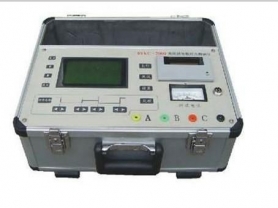

A high-current generator is a device capable of producing high currents
It is widely used in electric power, electronics, manufacturing, scientific research, and other fields. It is mainly used to test the performance of electrical equipment, such as circuit breakers, relays, fuses, cables, etc., to ensure that these devices can work reliably in actual operation. This article will detail the working principle, classification, application fields, and usage precautions of the high-current generator.
Working Principle
The basic working principle of a high-current generator is to generate and output high current through a power supply and a current booster. The main steps are as follows:
- Power Input: The high-current generator obtains input electrical energy from the mains or a dedicated power supply.
- Current Booster: The current booster converts the input electrical energy into the required high current output. The current booster usually includes components such as transformers, rectifiers, and filters.
- Current Output: The high current is output to the device under test or load through output terminals.
- Measurement and Control: Built-in measuring instruments and control systems monitor the current output in real-time to ensure the stability and accuracy of the current.
Classification
-
Single-phase High-current Generator
- Suitable for testing single-phase electrical equipment, such as single-phase circuit breakers, single-phase relays, etc.
- Lower power, simple structure, and lower cost.
-
Three-phase High-current Generator
- Suitable for testing three-phase electrical equipment, such as three-phase circuit breakers, three-phase relays, etc.
- Higher power, capable of simulating the actual working conditions of three-phase systems.
-
Portable High-current Generator
- Compact design, lightweight, easy to carry and use on-site.
- Suitable for field operations and temporary testing.
-
Multifunctional High-current Generator
- Integrates multiple testing functions, such as current testing, voltage testing, power testing, etc.
- Suitable for various application scenarios, providing comprehensive testing solutions.
Application Fields
- Electric Power Industry: Used for testing electrical equipment such as circuit breakers, relays, and fuses to ensure the safe operation of the power system.
- Electronics Industry: Used for testing electronic components, such as high-power transistors, diodes, etc.
- Manufacturing: Used for testing electrical equipment during the production process to ensure product quality.
- Research Institutions: Used for electrical performance research and new technology development, verifying the performance of new designs.
- Education and Training: Used for teaching and training in electrical engineering, helping students understand the working principles and testing methods of electrical equipment.
Advantages
- High Precision: Advanced measurement technology and algorithms are used to ensure high precision of test results.
- Multifunctionality: Integrates multiple testing functions, suitable for different types of electrical equipment and loads.
- Portability: Some models have a compact design, easy to carry and use on-site.
- Easy Operation: User-friendly interface, simple operation, suitable for field use.
- Data Management: Supports data recording and analysis, convenient for management and archiving.
Usage Precautions
- Safety Protection: During testing, be sure to follow safety operating procedures, wear necessary protective equipment, and ensure personal safety.
- Equipment Inspection: Before use, check the integrity and functionality of the high-current generator to ensure there is no damage or malfunction.
- Correct Connection: Ensure that the connection between the high-current generator and the device under test is correct, avoiding short circuits or open circuits.
- Environmental Adaptation: Pay attention to the operating environment of the high-current generator, avoiding adverse conditions such as high temperature and humidity that may affect test results.
- Professional Training: Operators should receive professional training and be familiar with the operation methods and precautions of the high-current generator.
- Regular Calibration: To ensure the accuracy of test results, it is recommended to calibrate and maintain the high-current generator regularly.
Conclusion
The high-current generator is an important tool for ensuring the performance and reliability of electrical equipment. Through its advanced testing technology and multiple functions, it can precisely generate high currents, test the performance of electrical equipment, and ensure its safety and stability in actual operation. Correctly selecting and using a high-current generator can not only improve the safety and reliability of the system but also effectively reduce the occurrence of failures and ensure the normal operation of electrical equipment. I hope this article is helpful for you to understand and use the high-current generator.